
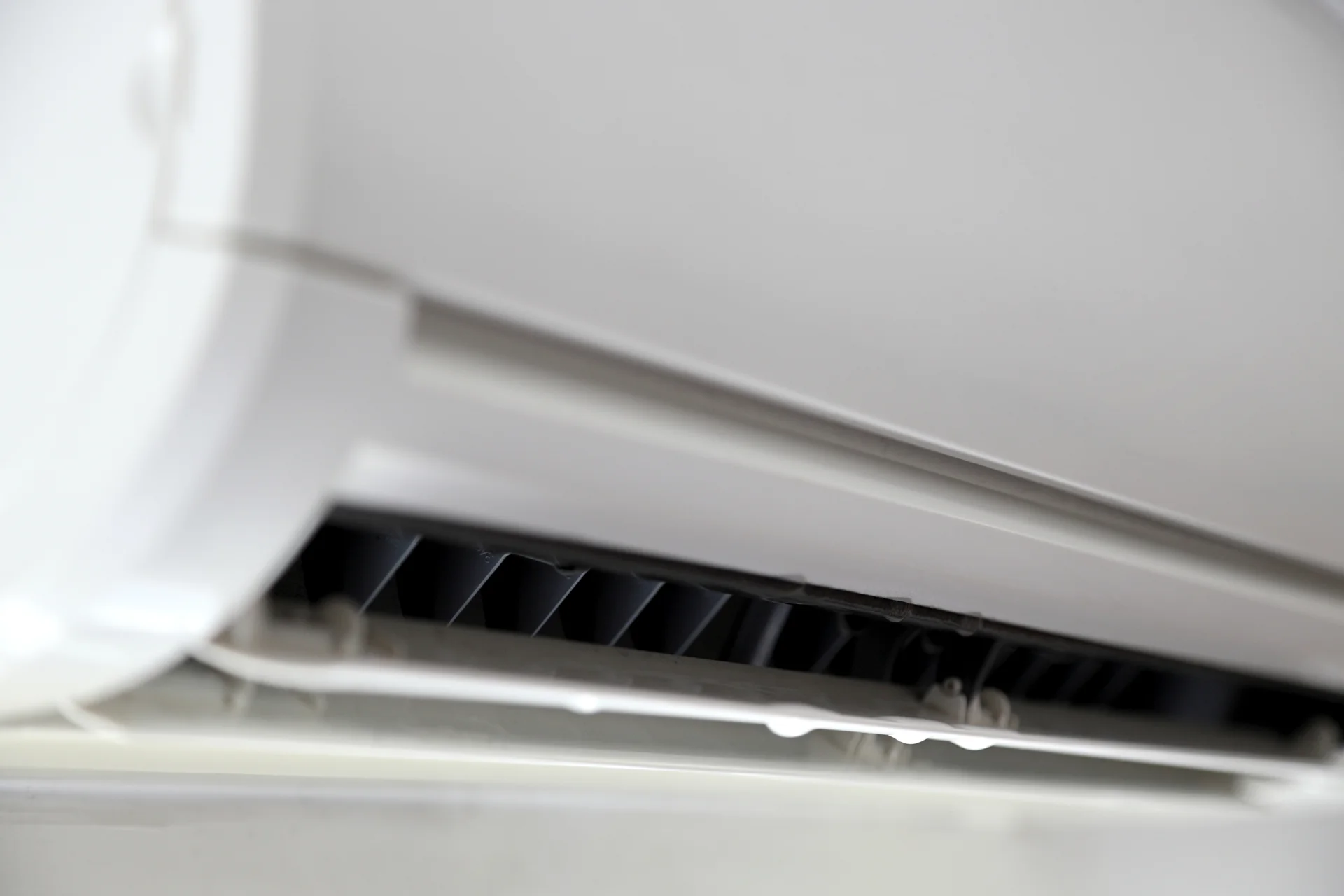
Finding a puddle of water pooling around your indoor unit is enough to make any homeowner panic. While a small amount of condensation is a natural part of the cooling process, a steady leak can lead to water damage, mold growth, and a complete system breakdown. In the Coachella Valley, where our systems work overtime to battle the heat, staying on top of AC repair and maintenance is essential to keeping your home dry and functional. If you’ve spotted a leak, taking quick action can save you from a much larger restoration bill down the road.
Common Culprits for AC Leaks
Before you can stop the water, you have to find the source. Most leaks are caused by simple maintenance oversights or parts that have worn down over time.
Clogged Condensate Drain Line: This is the most frequent cause of a leak. As your AC removes humidity from the air, that moisture flows through a PVC pipe to the outdoors. Over time, algae, dust, and sludge can plug the pipe, forcing water to back up into your home.
Damaged Drain Pan: On older units, the drain pan can rust or develop cracks. Because the environment inside your HVAC closet is constantly damp, even small pinholes in the pan will allow water to seep onto your floor or through your ceiling.
Frozen Evaporator Coil: When airflow is restricted, or refrigerant is low, the coil drops below freezing and encases itself in ice. As that ice inevitably melts, it produces more water than the drainage system is designed to handle, leading to an overflow.
Broken Condensate Pump: If your unit is installed in a spot where water cannot gravity-drain, it uses a pump. If the motor fails or the float switch gets stuck, the reservoir will overflow quickly.
Simple Fixes You Can Try
If you feel comfortable performing basic maintenance, there are a few steps you can take to address these issues before the water causes permanent damage.
Vacuum the Drain Line: Use a wet/dry vacuum on the external exit point of the PVC drain line to suck out any accumulated sludge or blockages.
Change Your Air Filter: A clean filter ensures proper airflow, which prevents the evaporator coil from freezing and subsequently leaking.
Inspect the Pump: Ensure your condensate pump is plugged in and that the float moves freely. If the motor doesn't hum when the water level is high, it likely needs to be replaced.
Get Expert Help Today
Ignoring a water leak can lead to structural rot and compromised air quality for your family. If these troubleshooting steps don't stop the flow, the experienced team at Comfort Air is here to help. We bring over 30 years of local expertise to every call, ensuring your system stays leak-free and efficient.
To get your cooling system back in peak condition and protect your home from water damage, contact us today at (760) 276-5144 for a comprehensive inspection and professional repair.